Skin tags that catch or bother you?Skin Tag and Lesion Removal.
Led by a dermatology specialist nurse.
Each lesion assessed by a specialist dermatology nurse
Suitable removal method selected based on the type and nature of the lesion, following GP confirmation that it is benign
No obligation to proceed with treatment following assessment
Pricing from£150Treatment tailored to the type of lesion and the most appropriate removal method.
5.0 Google reviews
CQC RegisteredOadby clinic
NMC RegisteredNHS dermatology
10+ YearsIn medicine
Accreditations
NMC registered nurseNHS dermatology trained10+ years in medicine
NMC registered nurseNHS dermatology trained10+ years in medicine
PricingFrom £150
per lesion, regardless of the removal method required.
Before TreatmentGP clearance required.
No lesion is treated until it has been confirmed as benign.
DowntimeMinimal to none.
Most people can return to work the same day.
AftercareA follow-up review
is offered once the skin has healed.
Does this sound familiar?
Harmless Skin Growths That Catch or Bother You
Skin tags and other benign skin lesions can catch on clothing or jewellery, cause discomfort or simply affect your confidence.
Skin tags
Commonly found on the neck, underarms and eyelids. These soft growths can hang from a small stalk and catch on clothing or jewellery.
Seborrhoeic Keratoses
Raised, benign skin growths that often have a rough, scaly or waxy surface.
Warts
Small, rough-textured skin growths that can appear on different areas of the body. Assessed following GP confirmation of their benign nature.
Cherry angiomas
Small red, purple or cherry-coloured spots on the skin, sometimes commonly referred to as blood spots.
The technique
How Hyfrecation Works
A hyfrecator uses a low-powered, high-frequency current to remove the lesion and cauterise the area at the same time.
01
Limits bleeding
The area is cauterised as the lesion is removed.
02
Spares the skin around it
The surrounding skin is left largely untouched.
03
Long established
Also used for seborrheic keratoses, warts, cherry angiomas and some other small benign growths.
Your GP confirms the lesion is benign first
Before we treat a skin tag or other lesion, we ask you to have it checked, and the treatment cleared, by your GP.
Clinical assessment
What Happens at Your Assessment
Each lesion is examined before anything is planned.
01
Your Concerns
We discuss the skin tags or lesions that are bothering you and where they are located.
02
Your Medical History
We review your medical history, current medication and any previous treatments.
03
Individual Lesion Assessment
Each lesion is closely examined to assess its appearance, size and suitability for removal.
04
GP clearance
Confirmation is required from your GP before treatment can proceed. No lesion is treated until it has been confirmed as benign.
05
Your Treatment Plan
We discuss the most appropriate removal method for each suitable lesion.
06
Clear Pricing
You'll receive an individual price for each lesion before deciding whether to proceed. No obligation to book treatment.
Prices
Assessment and Treatment
An assessment first, then one price per lesion, whichever type it is.
Nurse consultationStep 1
£50redeemable deposit
With a dermatology specialist nurse.
A close examination of each lesionIncluded
Your medical history and previous treatmentsIncluded
What your GP needs to confirmIncluded
A plan with the price of each lesionIncluded
Lesion removalAfter GP clearance
From £150per lesion
Skin tags, seborrheic keratoses, warts, cherry angiomas and other small benign growths.
Removal under local anaestheticIncluded
The area cauterised at the same timeIncluded
Aftercare informationIncluded
A follow up review appointmentIncluded
The same £150 applies to skin tags, seborrheic keratoses, warts, cherry angiomas, superficial vascular lesions and other small benign growths.
Suitability
Assessment Comes First
A dermatology specialist nurse examines each lesion first, and your GP confirms it is benign before anything is treated.
This often fits when
You have skin tags or small lesions that catch, feel uncomfortable or bother you
Your GP has confirmed, or can confirm, that the lesion is benign
You are happy to come to the clinic in Oadby for an assessment first
Another route may be wiser when
The lesion has not been checked by your GP
You would like a lesion removed without an assessment first
You expect treatment to stop new skin tags forming elsewhere
If a lesion is not suitable for hyfrecation, the nurse will say so. Nothing is booked unless you choose it.
No obligation to book treatment
Prices set out before you decide
How it works
A Straightforward Process, With Minimal Downtime
Every treatment is tailored to the individual lesion. The most appropriate removal method is selected following assessment.
1
Before You Book
Arrange a Callback
Complete a short enquiry form and Shanur's team will call to discuss your concerns and arrange a suitable appointment.
2
Your First Visit
Assessment and GP Clearance
Each lesion is carefully examined by a dermatology specialist nurse. Your GP must confirm that it is benign before treatment can proceed.
3
Your Treatment Plan
Clear, Individual Pricing
We'll explain which lesions are suitable for removal, the recommended removal method and the individual price for each.
4
Treatment
Using the Appropriate Removal Method
Treatment is tailored to the lesion and may be carried out under local anaesthetic where appropriate.
5
Aftercare
Healing and Follow-Up Review
You'll receive aftercare advice to support healing. Once the skin has healed, a follow-up review is offered.
Meet your nurse
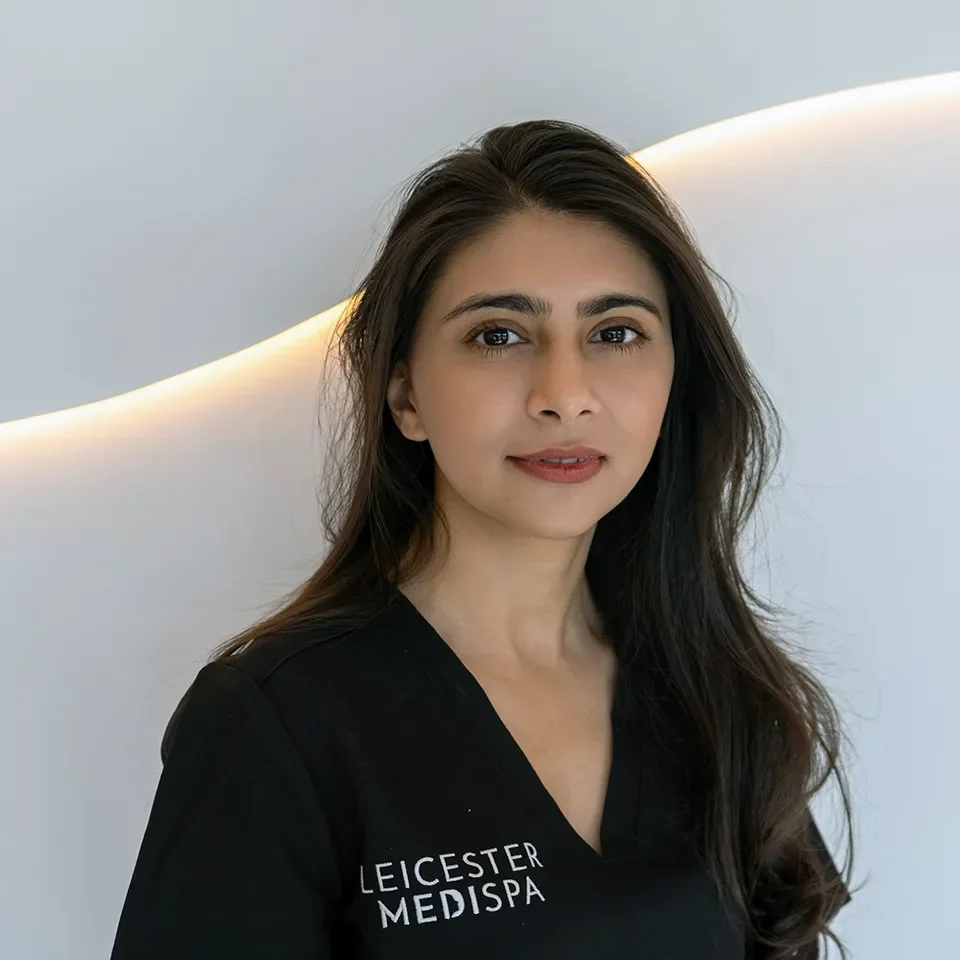
Shanur Dharamshi
Dermatology specialist nurse
NMC-registered nurse
Trained in NHS dermatology
10+ years in medicine
In NHS dermatology, she cared for people with acne, eczema and psoriasis. In her words: “Day in, day out, it was just skin.”
“I want to hear what you have tried and what happened afterwards.”
Google reviews
Rated 5.0
270+ Google reviews
I had a very good experience at Leicester Medispa. Shanur is knowledgeable, professional, and clearly experienced in dealing with a range of skin concerns. She took the time to explain things properly and gave practical advice without making the appointment feel rushed. Overall, I felt listened to and well advised. I’d be happy to recommend Leicester Medispa to anyone looking for honest and informed guidance around their skin, as well as a more tailored and in depth service.
I had a Skin Analysis done with Shanur and I'm really happy with how it went! We discussed my skin concerns and Shanur took the time to explain the science behind it all and recommended some skincare products and treatments to tackle my concerns. I'd definitely recommend!
Shanur is truly exceptional! I’ve had both microneedling and polynucleotide treatments with her and the results have been incredible. Her knowledge, expertise and attention to detail are second to none. She makes you feel completely comfortable and you can tell she genuinely cares about achieving the very best results for every client. My skin has never looked so fresh, radiant and healthy. Shanur is an absolute perfectionist and I honestly wouldn’t trust anyone else with my skin. Highly, highly recommend!
Before you book
Common Questions
Shanur's team can answer anything else when they call.
Am I suitable for skin tag and lesion removal?
Before we agree to treat a skin tag or other lesion, we ask you to have it checked, and the treatment cleared, by your GP. Once it is confirmed that the lesion is benign, our nurse, previously an NHS dermatology Clinical Nurse Specialist, can proceed. Suitability is confirmed at your assessment.
Does a treatment with the hyfrecator hurt?
Local anaesthetic is used, so most people feel only mild discomfort or tugging.
What aftercare is involved?
The treated area will most likely form a light scab, which protects the healing skin and can take one to two weeks to disappear. You may also see some scabbing around the area, which you should not rub, scratch or pick. Once the skin has healed, it may look paler than the surrounding skin. Aftercare information is provided, and a follow up appointment is arranged to review the treatment.
Is the treatment permanent?
Treated skin tags should not grow back, though new ones can develop elsewhere over time. That is more likely if you are prone to skin tags.
What is the downtime?
Little to no downtime: you can return to work the same day. In some cases, redness, tenderness and mild swelling may occur, but these effects are temporary.
Do I have to book treatment after the assessment?
No. You leave with a recommended plan and the price of each part of it. Nothing is booked unless you choose to book it.
Can I spread the cost?
Yes, on selected treatments. 0% interest free finance through Buyline Finance is available on selected treatments and courses over £1,500, over up to 11 months. Pay Per Session is available on selected courses over £485.
What happens after I send the form?
This is a request, not a confirmed booking, so Shanur's team will call to agree a time.
Request a callback
Get Your Skin Tags Assessed
A dermatology specialist nurse examines each lesion and sets out the price before you decide.
Each lesion examined
Every price set out before you decide
No obligation to book treatment afterwards
5 stars across 270+ Google reviews
Let's Talk About Your Skin
Leave your details and Shanur's team will call you to arrange a time.